Sprinkler Zone Not Turning On? (Quick Fixes & How-To)
There is nothing more frustrating than flipping on your irrigation system and noticing one section of your yard staying bone dry. If you have a sprinkler zone not turning on, you are dealing with one of the most common irrigation headaches out there. The good news is that many of these issues have simple causes and fixes you can tackle yourself.
At Matehuala Landscape And Irrigation, we help homeowners across Celina and nearby towns get their sprinkler systems back on track every day. In this guide, we will walk you through why a single zone fails, how to diagnose the problem, and the steps to get water flowing again.
Why Is One Sprinkler Zone Not Turning On?
When a single zone refuses to run while the rest of your system works fine, the problem is usually isolated to that specific zone. This is actually GOOD news. It means your controller and water supply are likely working. Something between the controller and that zone’s sprinkler heads has broken down.
Here are the most common reasons one zone stays dry:
- Faulty solenoid – The small electromagnetic device that opens the valve may have failed.
- Broken or damaged wiring – A cut, corroded, or loose wire can stop the signal from reaching the valve.
- Stuck or clogged valve – Debris and grit can jam the valve so it never opens.
- Controller programming error – The zone may simply be turned off or set to zero minutes.
- Blown fuse or bad terminal – A loose connection at the controller can cut power to one zone.
- Low water pressure – Sometimes the valve opens but there is not enough pressure to push water through.
Any one of these can leave part of your lawn thirsty. The trick is figuring out which one is the culprit.
How to Diagnose a Dead Sprinkler Zone
Before you start replacing parts, take a few minutes to narrow down the problem. A little detective work saves you time and money. Follow these steps in order and you will usually find the source quickly. If you want to understand the bigger picture first, take a look at the most common issue in irrigation systems and how it plays out in real yards.
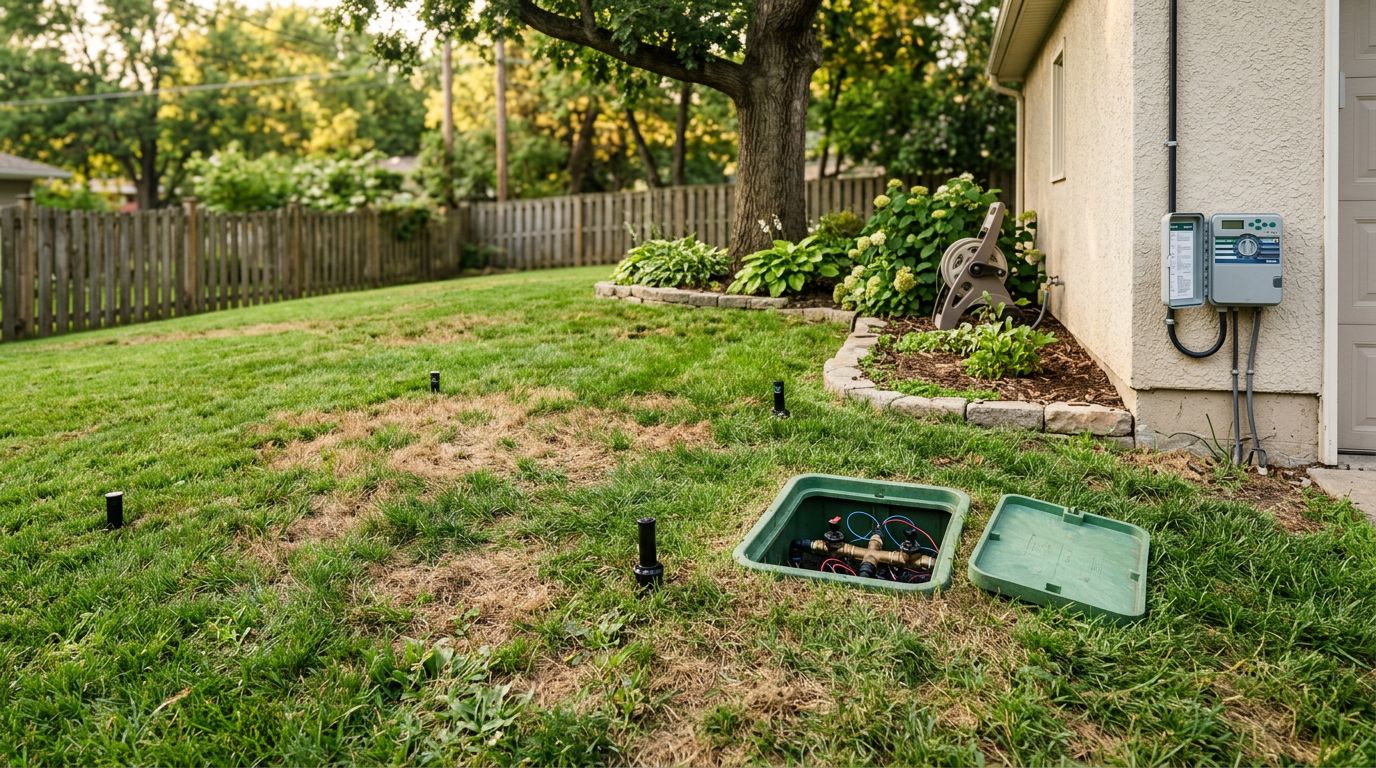
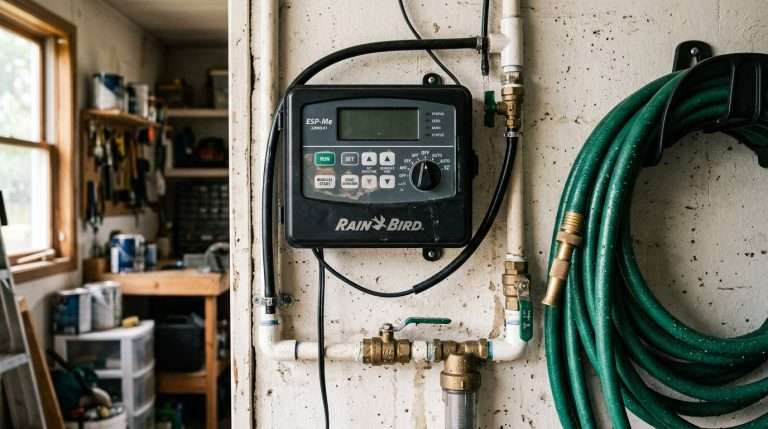
- Check the controller settings. Make sure the zone is programmed to run and has a set watering time greater than zero.
- Run a manual test. Use the controller to manually activate ONLY the problem zone. Listen for a click at the valve.
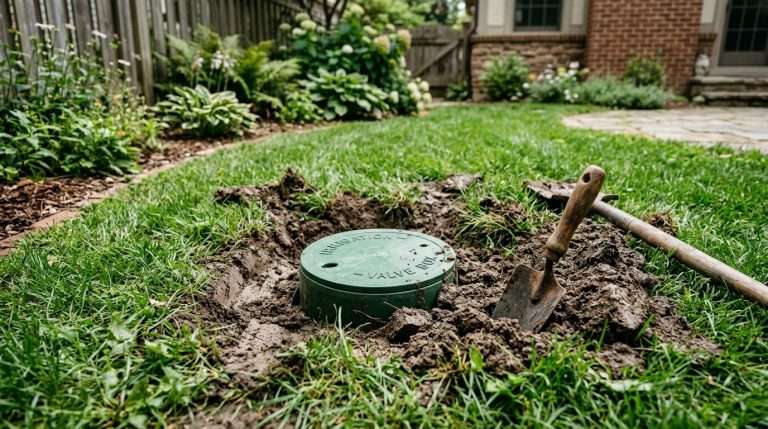
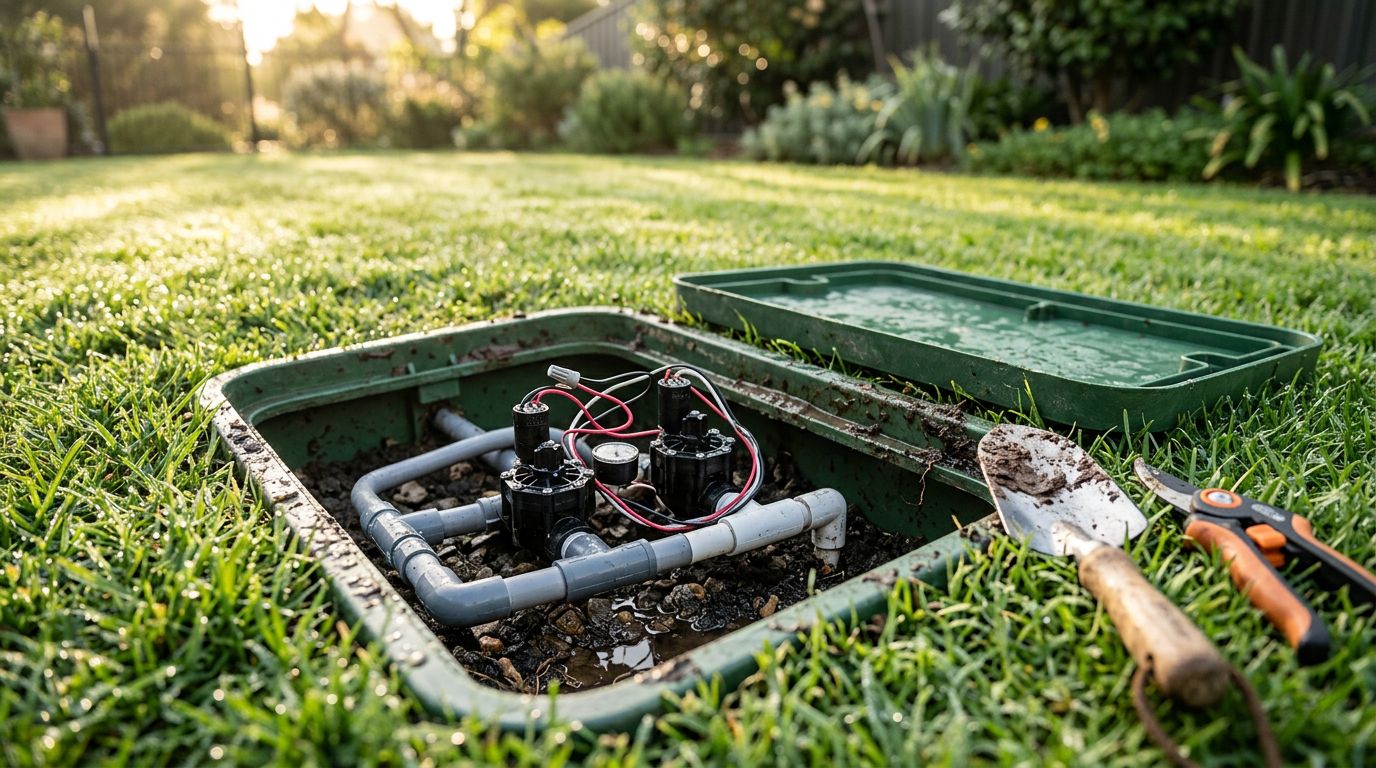
- Inspect the valve box. Open the valve box and look for standing water, mud, or exposed wires.
- Try the manual bleed screw. Turn the solenoid or bleed screw slightly by hand. If water flows, the valve works but the electrical signal does not.
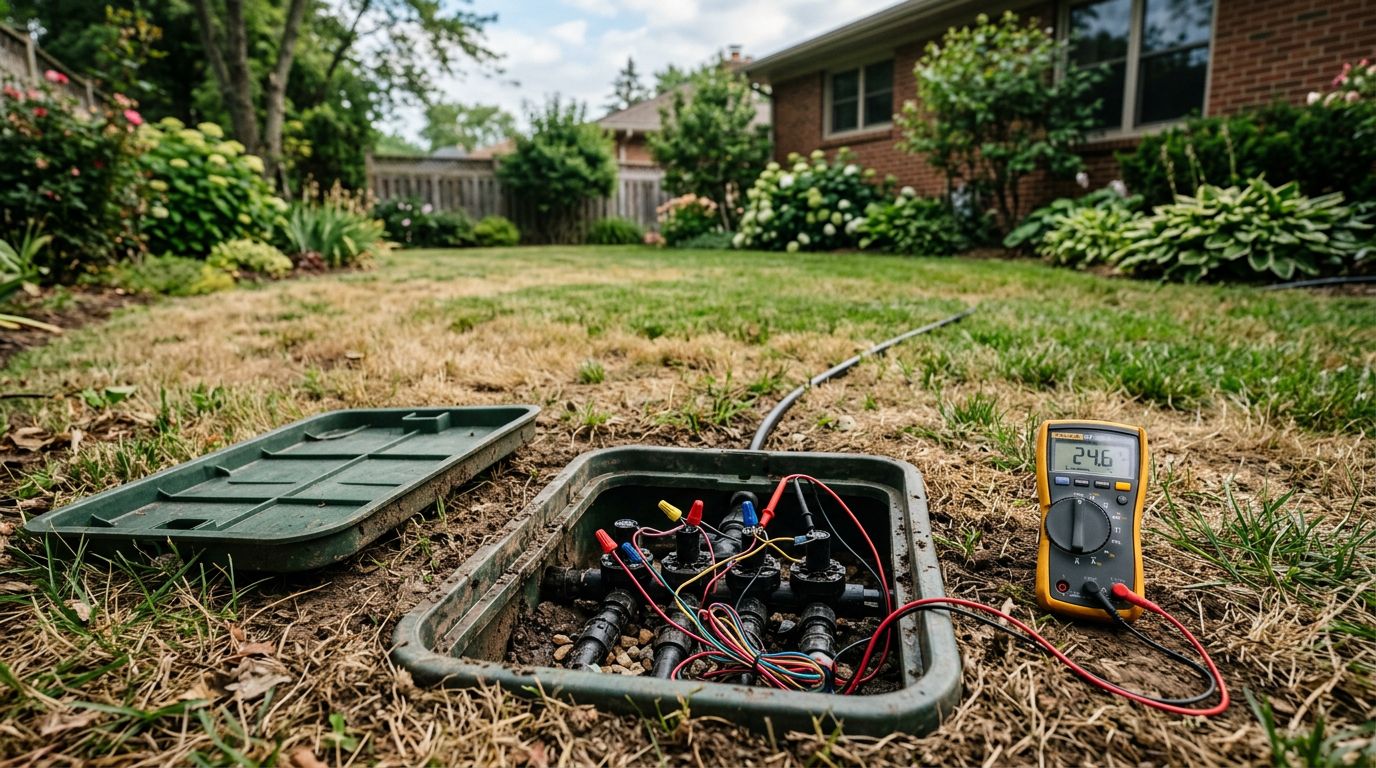
- Test the wiring. Use a multimeter to check for voltage and resistance at the solenoid wires.
- Check the other zones. If several zones fail, the problem is likely at the controller or main supply instead.
Once you know whether the issue is electrical, mechanical, or programming, you can move on to the actual repair.
How to Fix a Faulty Sprinkler Solenoid or Valve
If your manual test showed that opening the bleed screw brings water through, but the controller cannot trigger the zone, the solenoid is a strong suspect. A bad valve or solenoid is one of the top reasons a zone goes silent. Knowing the signs of a faulty irrigation valve can help you confirm this before you dig in.
Here is how to replace a bad solenoid or clean a stuck valve:
- Turn off the water supply. Shut off the main irrigation valve so you do not get soaked.
- Cut the power. Turn off the controller to avoid any electrical mishaps.
- Locate the valve. Find the valve box that controls the dead zone.
- Unscrew the solenoid. Twist the solenoid counterclockwise to remove it. Note how the wires connect.
- Inspect the parts. Look for grit, a torn diaphragm, or corrosion inside the valve body.
- Clean or replace. Rinse out debris and replace the diaphragm or solenoid if it looks worn.
- Reconnect the wiring. Use waterproof connectors to join the solenoid wires. This keeps moisture out.
- Reassemble and test. Screw the solenoid back in, restore water and power, then run the zone again.
Take your time and keep the parts clean. A tiny piece of sand in the wrong spot can keep the valve from sealing properly.
Checking Wiring and Controller Connections for a Non-Working Zone
If the valve and solenoid check out, the problem may be electrical. Wiring issues are sneaky because they are often hidden underground or behind the controller panel. Here is how to work through the connections step by step.
Inspect the Controller Terminals
Open your controller and look at the terminal where the zone wire connects. Make sure it is tight and free of corrosion. A loose wire is one of the easiest fixes you will ever make. Gently tug each wire to confirm it is seated. If a terminal looks burned or green with corrosion, clean it or move the wire to a spare terminal.
Test for Voltage at the Controller
Set your multimeter to measure AC voltage. With the zone running, place the probes on the common terminal and the problem zone terminal. You should read roughly 24 to 28 volts. If you get NOTHING, the controller may be faulty or the fuse could be blown. If you get proper voltage, the issue is downstream in the wire or valve.
Check for Breaks in the Field Wiring
Damaged underground wire is common in yards that have seen digging, aeration, or heavy landscaping work. Set your meter to resistance and test the wire run from the controller to the solenoid. A very high or infinite reading points to a break somewhere in the line. Rodents, shovels, and shifting soil can all nick a wire.
Look at Wire Splices and Connectors
Every splice is a potential failure point. Old electrical tape splices corrode fast when buried. Dig up any visible splices and check them. Replace old connections with waterproof grease-filled connectors. This one upgrade prevents a surprising number of repeat problems.
Common Sprinkler Zone Problems and Their Solutions
Some issues come up again and again in the systems we service around Celina and Frisco. Knowing the pattern helps you fix things faster. Below are the most frequent problems and the quick solutions that usually work.
- Zone will not turn on at all – Check the controller programming first, then test the solenoid and wiring.
- Zone runs weakly – This often points to low pressure, a partially clogged valve, or a leak in the line.
- Zone will not shut off – Usually a stuck valve diaphragm or debris lodged in the valve seat.
- Multiple zones out at once – Suspect the controller, a blown fuse, or a bad common wire.
- Heads not popping up – Debris in the nozzle, low pressure, or a broken riser can be the cause.
- Intermittent operation – A loose wire or a marginal solenoid that fails when it heats up.
Many of these are minor. But if the fix keeps failing or the same zone dies again, there may be a deeper problem in the line. In that case, professional irrigation repair in Celina, TX can pinpoint issues that are hard to find without specialized tools.
When to Call a Professional for Sprinkler Zone Repairs
Plenty of sprinkler problems are DIY-friendly. But some situations call for a trained hand. Trying to force a repair without the right tools can turn a small issue into an expensive one. Here is when it makes sense to bring in a pro.
- You cannot locate the valve box. Buried or unmarked valves take special equipment to find.
- The wire break is underground. Tracing a broken wire under your lawn requires a wire locator.
- Multiple zones fail together. This often signals a controller or main line issue that needs expert diagnosis.
- You suspect a mainline leak. Water pooling or a soggy yard can mean a bigger break.
- The repair keeps failing. Recurring problems usually have a root cause you have not found yet.
- You are not comfortable with electrical or plumbing work. There is no shame in that. A pro keeps it safe.
Our team handles everything from a single stubborn zone to full system overhauls. We also offer landscape design, drainage solutions, and lawn care for homeowners in Prosper, McKinney, Little Elm, Anna, Aubrey, Melissa, and Gunter. If your irrigation is part of a larger yard project, we can help tie it all together.
Conclusion
A sprinkler zone not turning on is usually caused by a bad solenoid, damaged wiring, a stuck valve, or a simple programming slip. Start with the easy checks like controller settings and manual tests. Then work your way down to the valve and wiring. Most of the time you can trace the problem to one clear cause.
If you have tried the fixes and your zone still will not cooperate, do not let your lawn suffer. Reach out to Matehuala Landscape And Irrigation and let our team get your system running strong again. A healthy yard starts with reliable irrigation, and we are here to help you keep it that way.